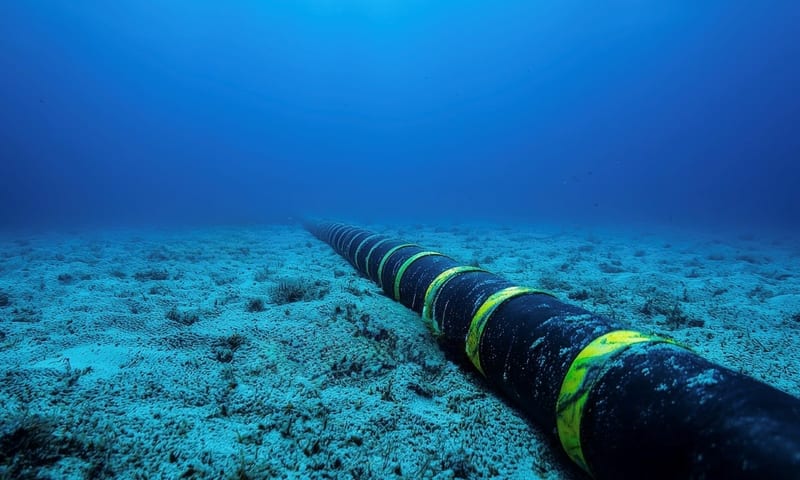
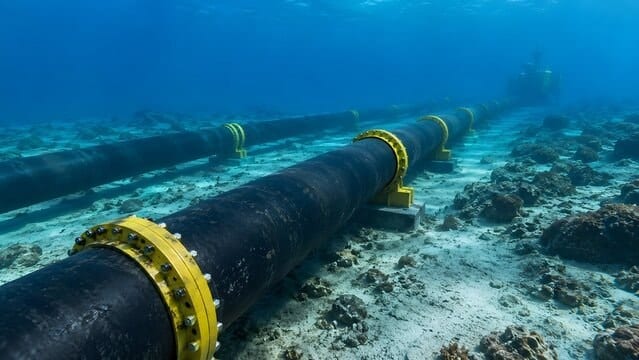
A free span occurs when a section of subsea pipeline loses contact with the seabed, leaving it unsupported over a gap. Free spans are a normal feature of pipeline life — seabed scour, sediment migration, and installation tolerances all create them — but spans that exceed acceptance criteria pose a fatigue risk that must be managed.
Why Free Spans Matter
An unsupported pipeline section behaves like a beam under load. Hydrodynamic forces from current and waves induce cyclic stresses at the span shoulders. If the vortex-induced vibration (VIV) frequency approaches the pipeline's natural frequency, resonance can develop, dramatically accelerating fatigue damage.
The consequence of unmanaged free spans ranges from coating damage and corrosion at the span shoulders to fatigue cracking and, in extreme cases, pipeline rupture. For high-pressure, high-temperature pipelines, the consequences of failure are severe.
Survey Methods
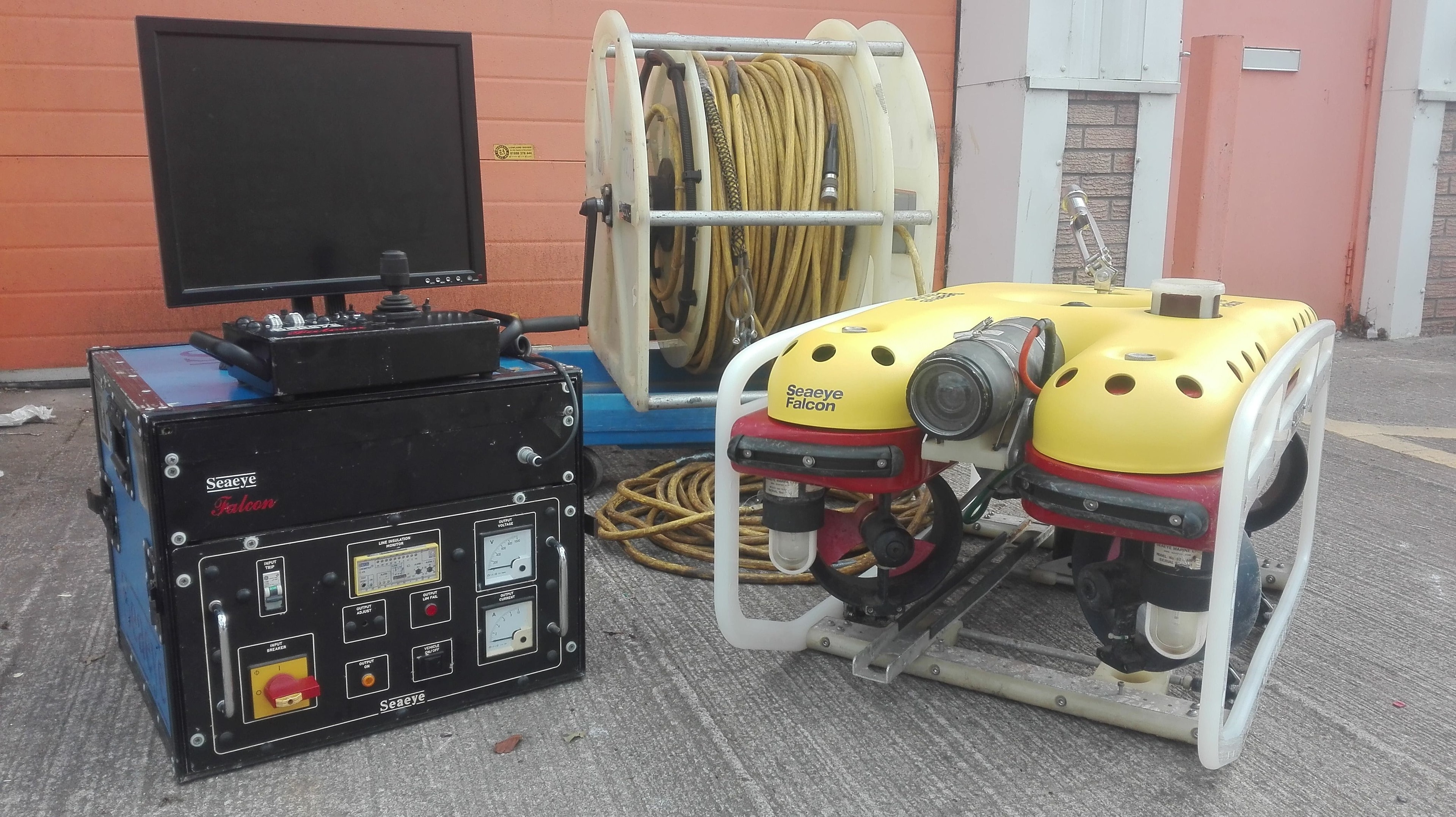
ROV-based free span surveys use a combination of visual inspection and multibeam sonar to map the pipeline route and identify spans. The ROV records the pipeline profile along its length, and the sonar data is used to calculate span length, gap height, and shoulder geometry.
For detailed assessment of critical spans, acoustic Doppler current profilers (ADCPs) can be deployed to measure the current regime at the span location. This data feeds directly into the fatigue life calculation.
Acceptance Criteria
Acceptance criteria for free spans are defined in DNV-RP-F105 (Free Spanning Pipelines). The standard defines allowable span lengths based on the pipeline's natural frequency, the current and wave environment, and the remaining fatigue life. Spans that exceed the allowable length require either intervention (rock dumping, grout bags, or span supports) or a detailed fatigue assessment.
Inspection data should be compared against the previous survey to identify spans that are growing. A span that was within acceptance criteria at the last inspection but has grown significantly may require intervention before the next scheduled survey.