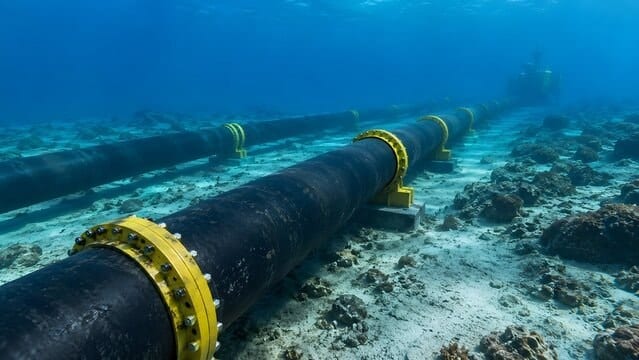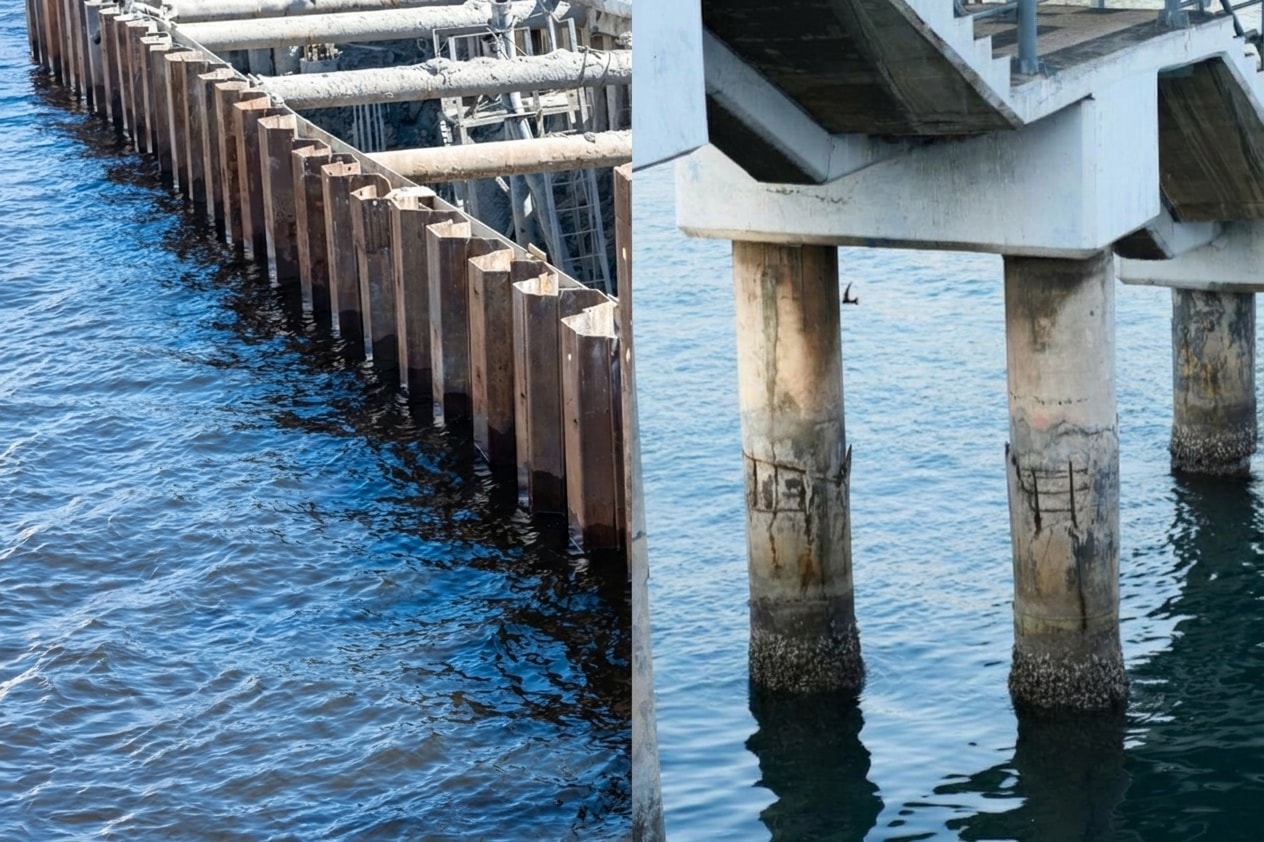
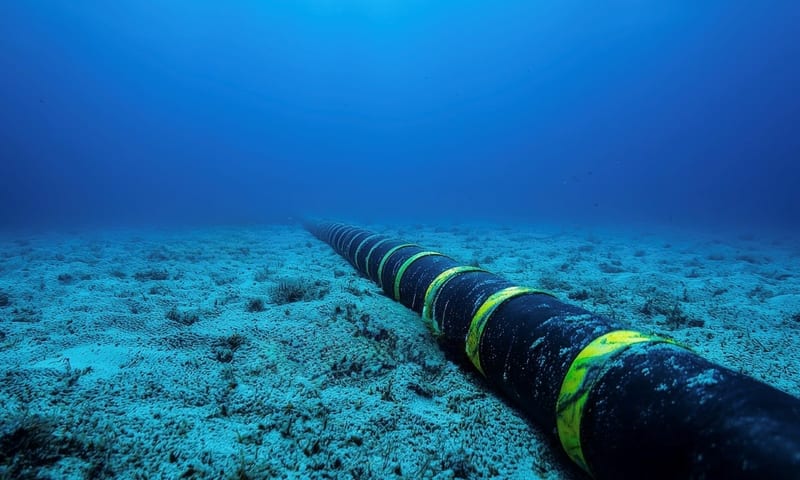
Subsea cables — whether high-voltage power export cables for offshore wind farms or fibre-optic telecommunications links — represent some of the most valuable and vulnerable infrastructure on the seabed. A single undetected fault or unmonitored free span can result in costly repairs, extended outages, and significant contractual penalties.
Why Subsea Cable Surveys Matter
Cable surveys are required at multiple stages of an asset's lifecycle: post-lay verification, periodic integrity inspections, and fault investigation. Post-lay surveys confirm that the cable has been installed to the design route, that burial depths meet specification, and that no damage occurred during installation. Periodic surveys track changes in cable condition, burial status, and the presence of third-party activity near the route.
For offshore wind developers, cable surveys are typically mandated by lenders, insurers, and grid operators. The frequency and scope of inspection are often defined in the operations and maintenance agreement and must be documented to maintain warranty and insurance coverage.
ROV Survey Methods
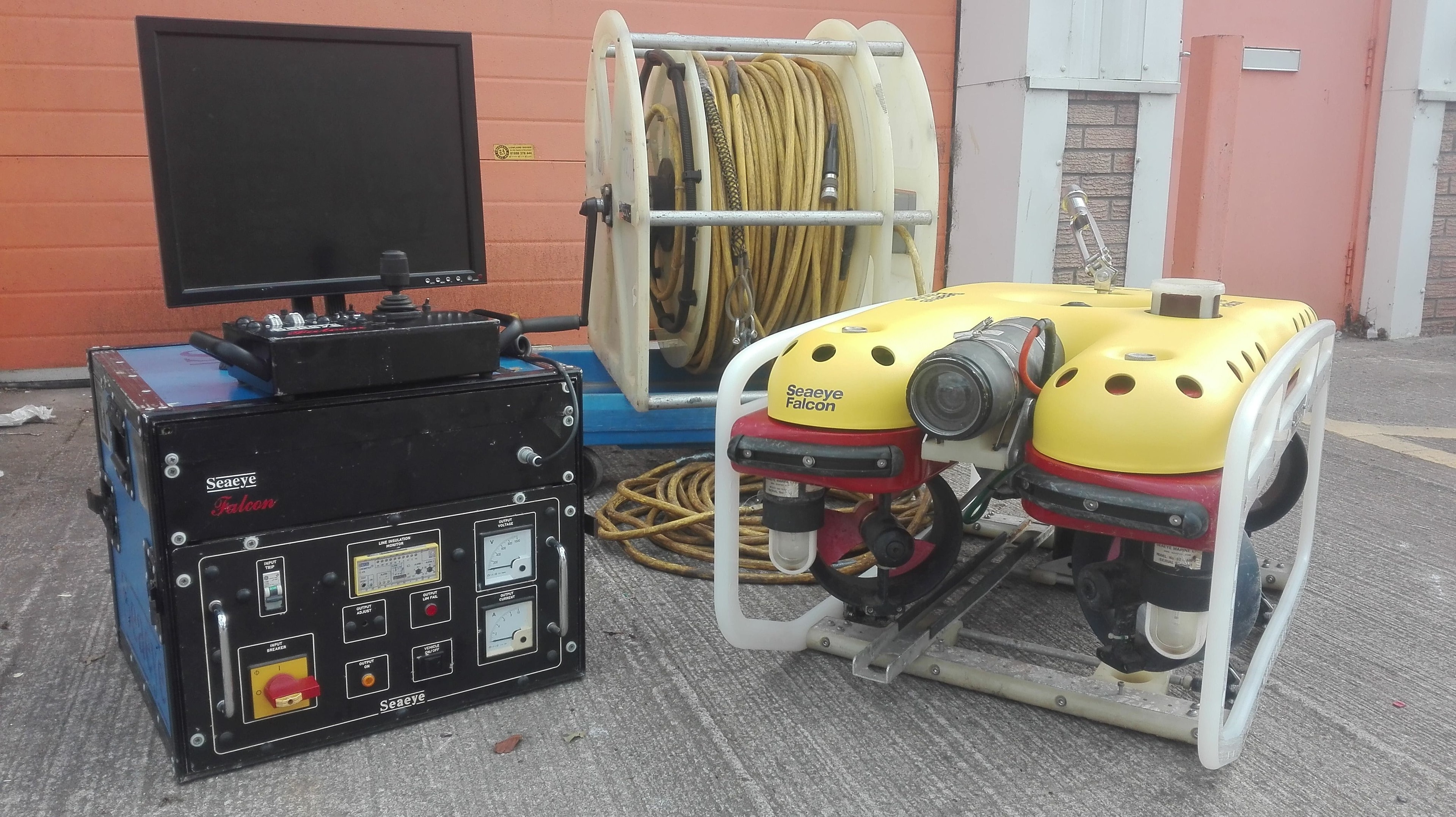
ROV-based cable surveys combine visual inspection with acoustic and electromagnetic sensing. A cable-tracking system — typically a towed or ROV-mounted cable tracker — follows the cable route and logs position data continuously. Where the cable is buried, the tracker measures burial depth and flags sections where cover has been lost.
Multibeam echo sounder (MBES) and sub-bottom profiler (SBP) data are collected simultaneously to provide a full picture of the seabed environment. Free spans are identified and measured, and any crossings with other cables or pipelines are documented. High-definition video records the exposed cable condition, including any signs of abrasion, armour wire damage, or marine growth.
Reporting and Anomaly Classification
Cable survey reports follow a standardised anomaly classification system, typically aligned with IMCA or client-specific grading criteria. Each anomaly is assigned a severity grade, a recommended action, and a reinspection interval. Free spans exceeding the allowable length trigger an immediate engineering review and may require remediation before the next scheduled inspection.
Operators should ensure that survey data is delivered in a GIS-compatible format and integrated with the asset management system. Trend analysis across multiple survey campaigns is the most reliable way to detect progressive deterioration before it becomes a failure event.