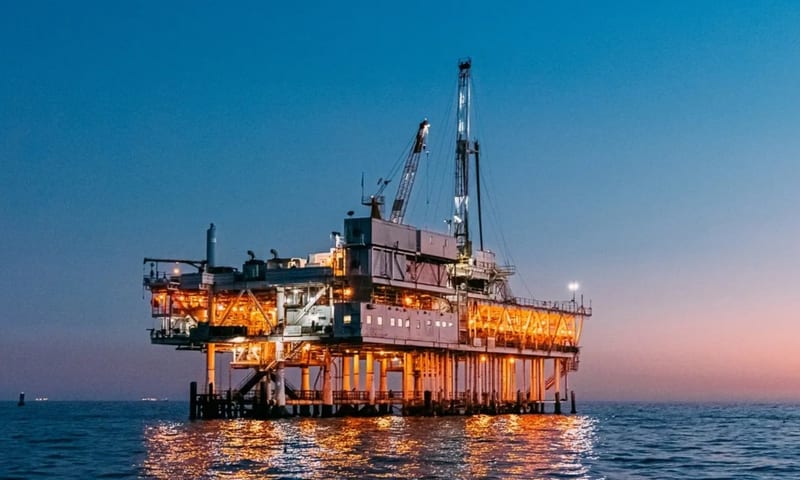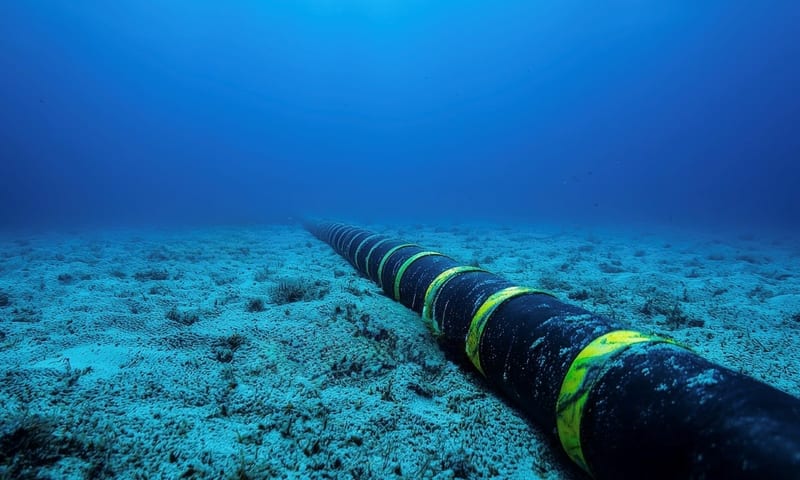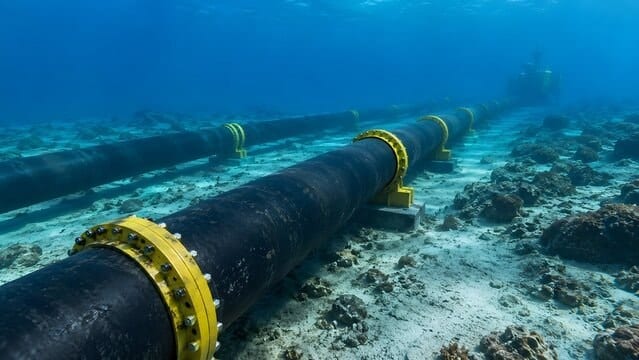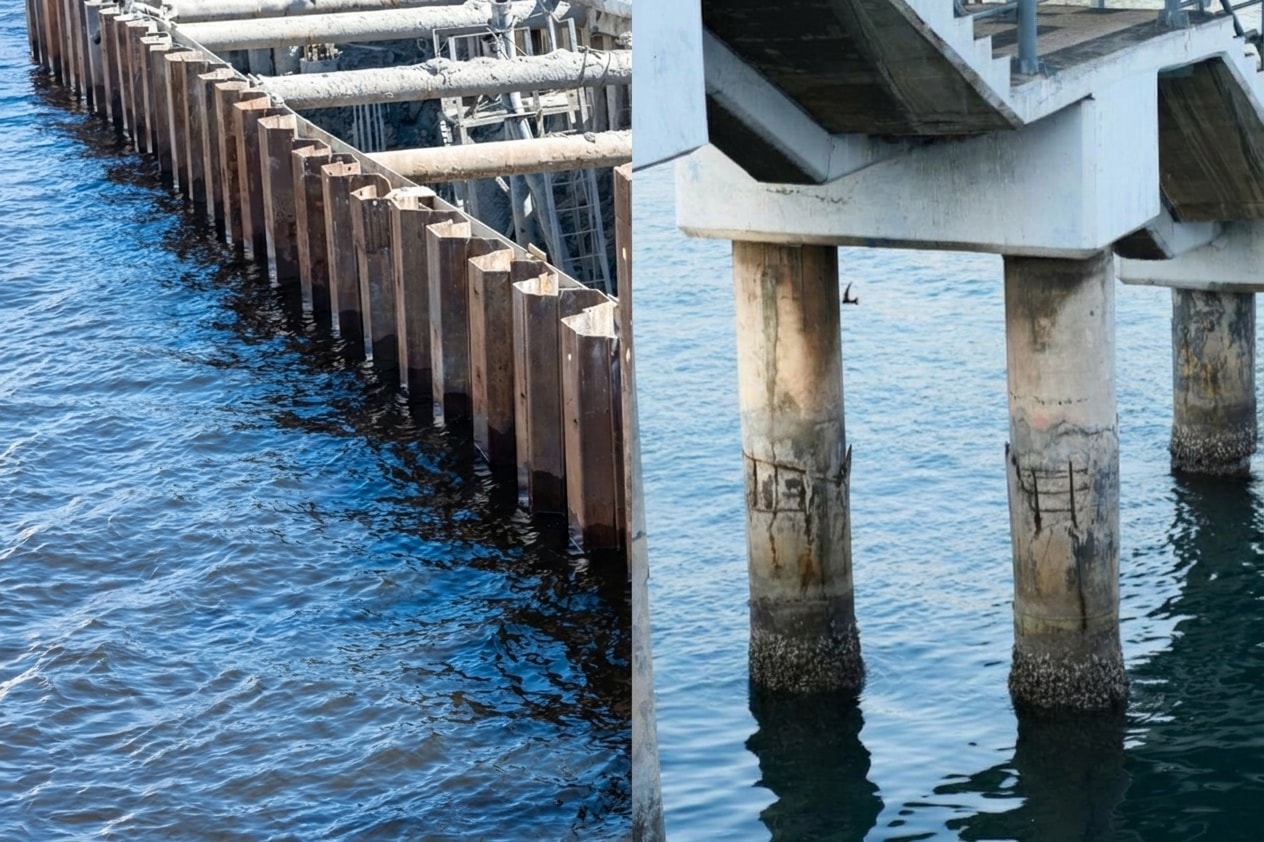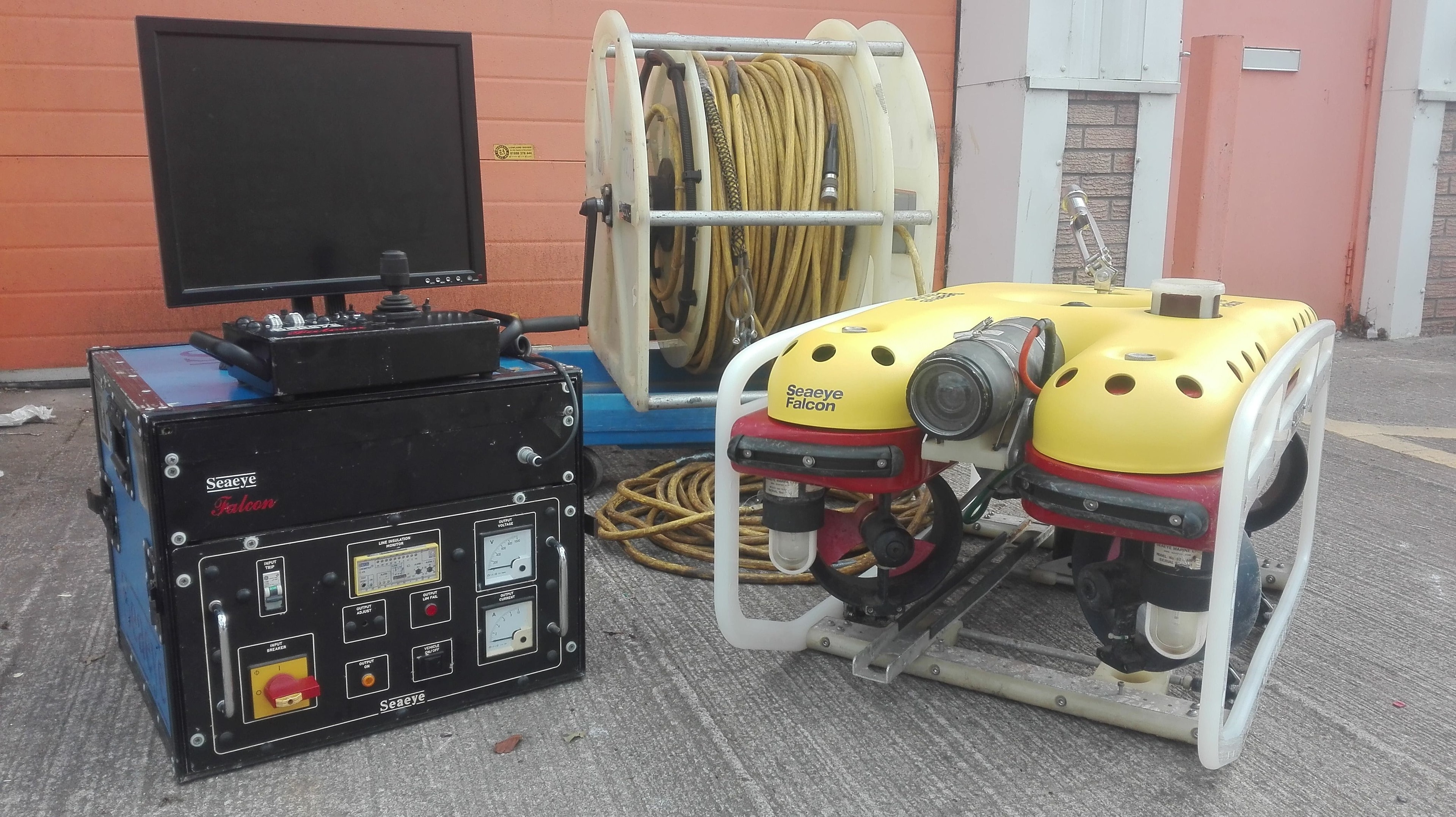

A full-farm inspection campaign for a 60-turbine offshore wind installation is a significant logistical undertaking. With each foundation requiring a multi-sensor ROV survey covering visual inspection, CP measurement, UT thickness gauging, and scour assessment, the total inspection scope can run to 300–400 ROV hours. Efficient campaign planning — from vessel selection and mobilisation scheduling to data processing and report delivery — is the difference between a campaign that delivers on time and one that overruns.
Vessel Selection and Deck Layout
The inspection vessel must provide sufficient deck space for the ROV system, control van, and data processing equipment, along with dynamic positioning (DP) capability to hold station at each foundation in the prevailing current and wave conditions. For observation-class ROV systems, a DP1 or DP2 vessel of 40–60 m length is typically adequate. The vessel's crane or A-frame must be rated for the ROV's in-air weight with a safety factor, and the deck layout must allow safe launch and recovery without interference from other deck equipment.
Inspection Sequence and Daily Production Rates
Inspection sequence planning balances transit distance between foundations against the operational window at each location. A well-planned sequence minimises vessel transit time and maximises ROV in-water time. In benign weather conditions, an experienced ROV team can complete a full monopile inspection — including CP profile, visual survey, UT spot checks, and scour assessment — in four to six hours per foundation, giving a daily production rate of three to four foundations per 24-hour operational period.
Data Management and Reporting
Data management is the most underestimated element of a large inspection campaign. A 60-foundation survey generates terabytes of video footage, thousands of CP readings, hundreds of UT measurements, and multiple multibeam sonar datasets. A robust data management plan — covering file naming conventions, daily backup procedures, quality control checks, and the handover format for the final deliverable — must be agreed before mobilisation. Coregent delivers all inspection data in a structured digital format compatible with the operator's asset management system, with a summary report for each foundation issued within 48 hours of survey completion.