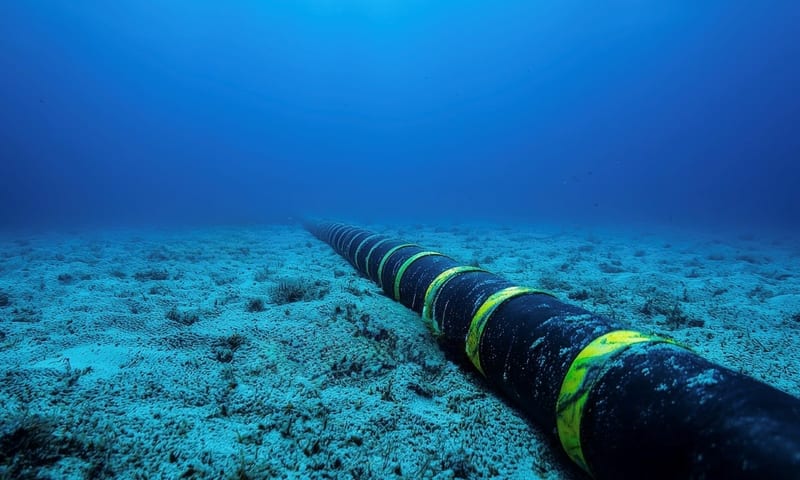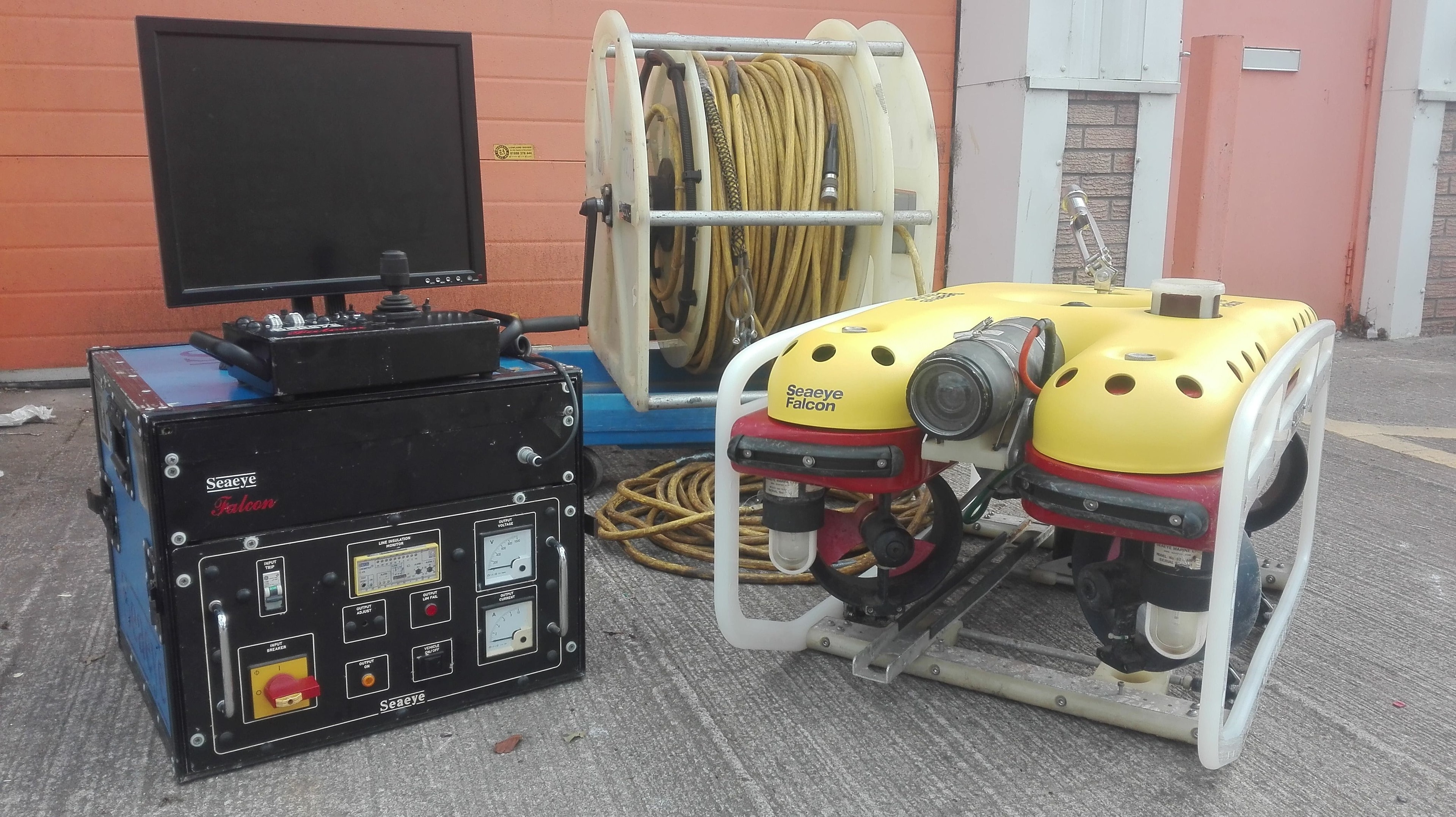

Inter-array cables carry the electrical output of individual wind turbines to the offshore substation. A typical 500 MW wind farm contains 60–80 km of inter-array cable, most of it buried in the seabed to protect against trawl gear, anchor damage, and hydrodynamic loading. Cable faults — whether from installation damage, free-span fatigue, or third-party interference — are the leading cause of unplanned downtime in offshore wind farms and can cost operators millions in lost generation revenue.
Cable Route Survey and Burial Depth Assessment
ROV cable route surveys combine sub-bottom profiler (SBP) data with HD video to assess cable burial depth along the full route. The SBP identifies the cable reflector in the sediment column and measures the depth of cover at regular intervals. Sections with insufficient burial depth — typically defined as less than 0.5 m cover in the cable protection specification — are flagged for remediation. The survey output is a georeferenced burial depth profile with anomaly locations marked for follow-up.
Free-Span Detection and Assessment
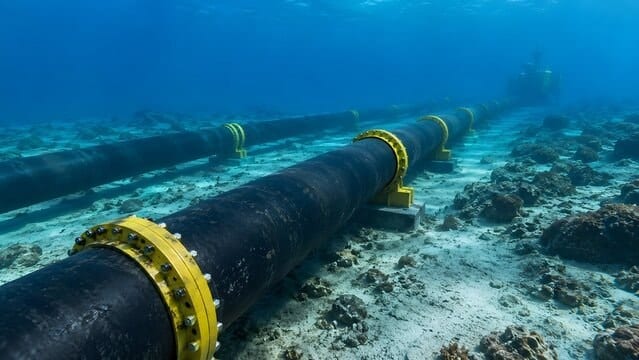
Where cables cross hard seabed, rock outcrops, or areas of sediment erosion, free spans can develop. A free-spanning cable is exposed to vortex-induced vibration (VIV) under current loading, which generates cyclic bending stresses at the span shoulders. ROV surveys measure free-span length, height, and orientation, and the data feeds into fatigue life calculations to determine whether intervention is required. Spans exceeding the allowable length defined in the cable's design basis require prompt remediation — typically rock placement or grout bag installation.
Fault Localisation and Repair Support
When a cable fault is detected electrically, the ROV is deployed to the fault location — identified by time-domain reflectometry (TDR) — to assess the damage and support repair planning. The ROV documents the fault visually, measures the extent of cable exposure or damage, and assists the cable repair vessel by providing real-time video guidance during the repair operation. Post-repair surveys confirm that the repaired section has been correctly buried and that the cable route is clear of debris.