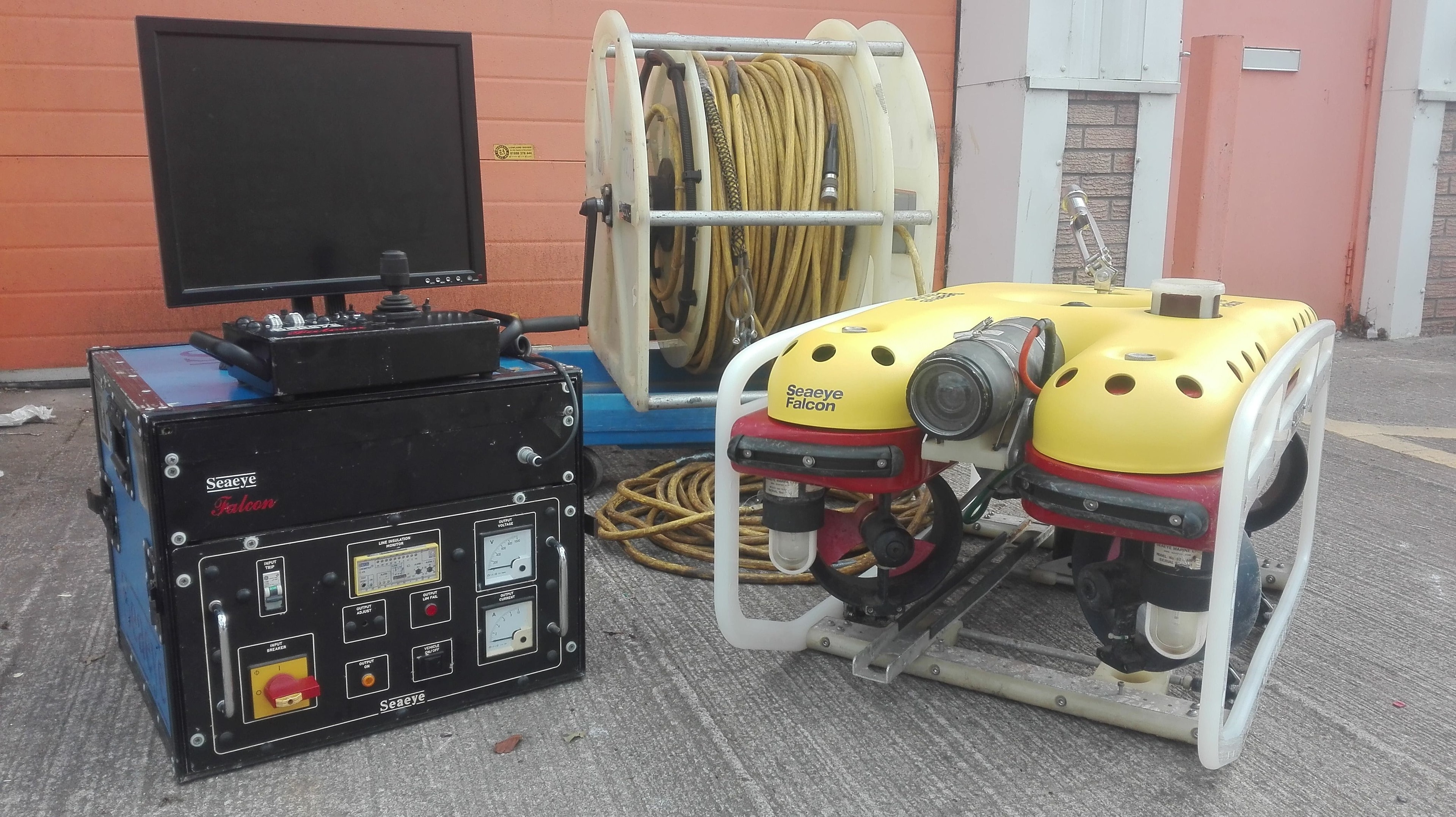
ROV rental has become the default procurement model for operators who need high-capability subsea equipment on a project-by-project basis. Whether the requirement is a single-well inspection, a post-storm structural survey, or a multi-month pipeline integrity campaign, renting rather than owning removes capital expenditure, eliminates maintenance liability, and gives access to the latest vehicle technology without a long-term commitment.
Observation-Class vs Work-Class: Matching the Vehicle to the Task
The first decision in any ROV rental is vehicle class. Observation-class ROVs — typically sub-150 kg, electrically powered, with a standard sensor suite of HD cameras, sonar, and CP probe — are the right choice for visual inspection, CP surveys, and data collection tasks at depths up to 1,000 m. They mobilise quickly, require a smaller support crew, and can be deployed from a wide range of vessels including small workboats.
Work-class ROVs are required where the task involves physical intervention — valve actuation, bolt torquing, cutting, or lifting. These vehicles carry manipulator arms rated for significant torque and grip force, and are built to operate in strong currents at depths exceeding 3,000 m. The support infrastructure is substantially larger: a dedicated Launch and Recovery System (LARS), a control van, and a crew of four to six personnel. Rental day rates reflect this complexity.
Tooling and Sensor Packages
The base vehicle is only part of the rental specification. Tooling and sensor packages significantly affect the scope of work achievable on a single mobilisation. Common add-ons for inspection campaigns include: multibeam sonar for seabed mapping and free-span detection; ultrasonic thickness (UT) measurement systems for section loss quantification; CP probes for cathodic protection surveys; and high-definition stills cameras for close-up defect documentation.
For intervention work, hydraulic torque tools, hot-stab panels, and cutting systems are available as rental items from specialist tooling providers. Confirming tooling compatibility with the chosen ROV — hydraulic flow rates, connector standards, weight and buoyancy budgets — is essential before mobilisation. Mismatched tooling is one of the most common causes of lost time on ROV campaigns.
Crew and Operational Support
Most ROV rental packages include a certified pilot and technician as part of the day rate. For complex campaigns, a dedicated ROV Supervisor should be specified — this role manages the interface between the ROV team, the vessel master, and the client's offshore representative, and is responsible for the daily operational plan, risk assessments, and data quality.
Clients should confirm that the rental provider's crew hold current IMCA competency certification (IMCA R 004 for pilots, IMCA R 007 for supervisors) and that the vehicle itself has a current IMCA inspection certificate. These are standard requirements for most oil and gas operator permit-to-work systems and should be verified before contract award.
Mobilisation Planning and Lead Times
Observation-class systems can typically be mobilised within 48–72 hours from contract award, subject to equipment availability and logistics. Work-class systems require longer lead times — two to four weeks is typical for a full system including LARS, control van, and crew — due to the complexity of vessel integration and pre-mobilisation testing.
Early engagement with the rental provider during the project planning phase pays dividends. Confirming vessel compatibility, deck space requirements, power supply specifications, and data delivery formats before mobilisation eliminates the most common sources of delay and cost overrun on ROV campaigns.
Day Rate vs Lump Sum: Structuring the Rental Contract
ROV rental contracts are typically structured on a day rate basis, with separate rates for operating days, standby days, and transit days. For well-defined scopes with a fixed duration, a lump sum contract transfers schedule risk to the provider and simplifies cost forecasting. For campaigns with variable scope or weather-dependent operations, a day rate with a defined standby rate is more appropriate.
Key contract terms to review include: the definition of an operating day versus a standby day; liability for equipment damage; data ownership and confidentiality; and the procedure for scope changes. A clear scope of work document, agreed before contract award, is the most effective tool for managing cost and schedule on an ROV rental campaign.