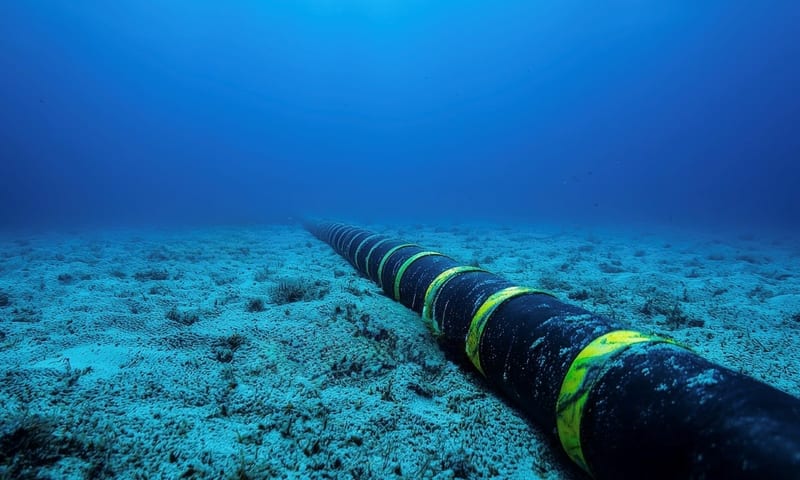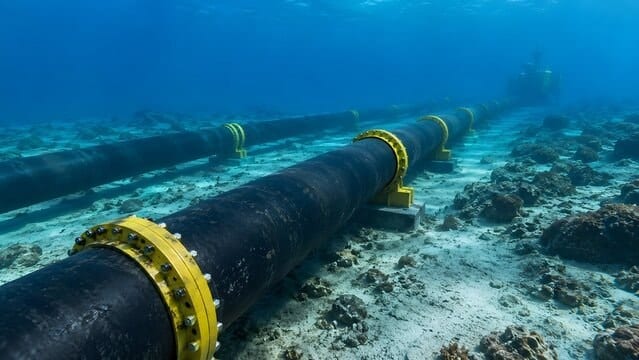

Monopile foundations account for more than 80% of installed offshore wind substructures globally. A single monopile — a large-diameter steel tube driven into the seabed — supports the transition piece, tower, nacelle, and rotor of a fixed-bottom wind turbine. As the global fleet ages and operators move into their first major inspection cycles, ROV-based subsea inspection has become a core activity in offshore wind asset management.
What the Survey Must Cover
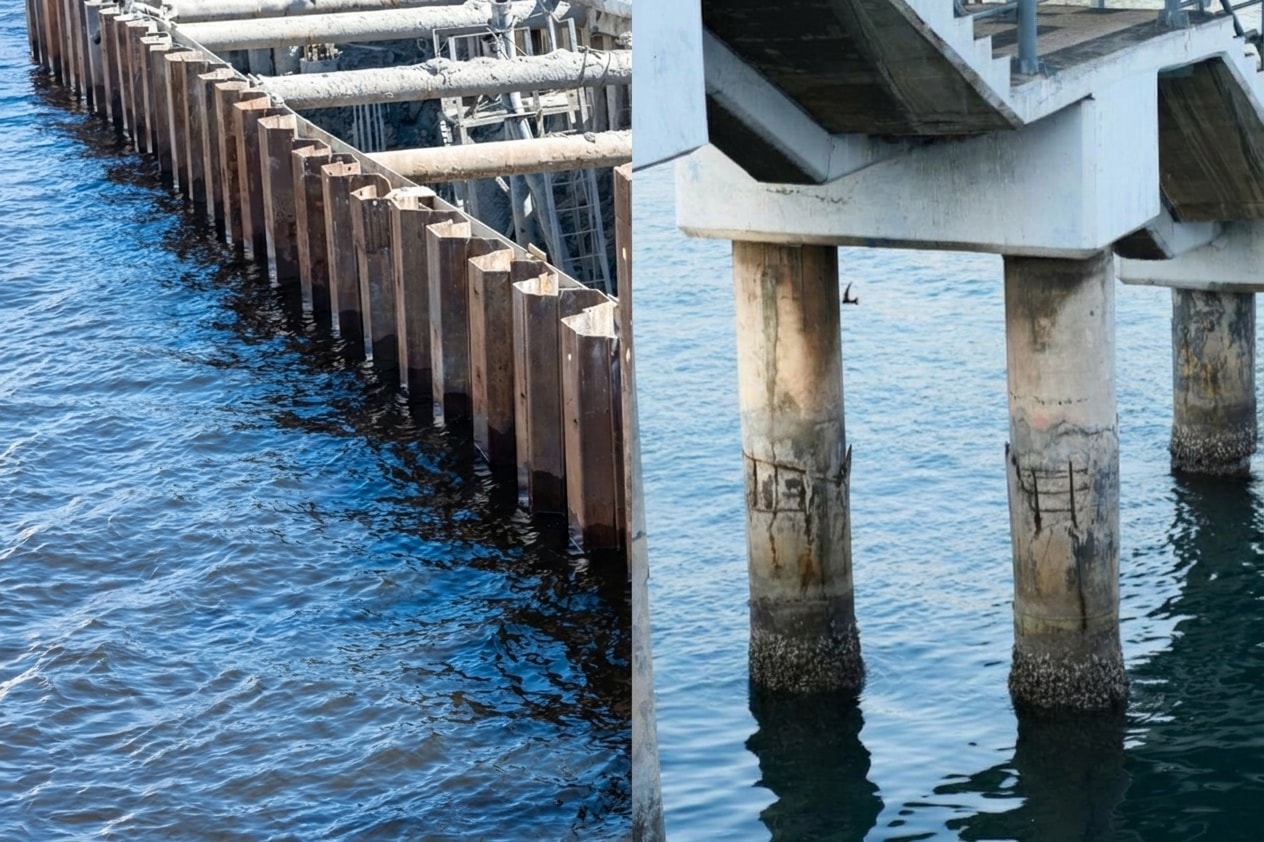
A complete monopile inspection programme covers four zones: the splash zone from mean water level to approximately 2 m below lowest astronomical tide; the inter-tidal and sub-tidal zone down to the mudline; the grouted connection between the monopile and transition piece; and the scour protection layer — typically rock armour or concrete mattresses — placed around the pile toe. Each zone has distinct degradation mechanisms and requires a tailored inspection approach.
ROV Sensor Suite for Monopile Surveys
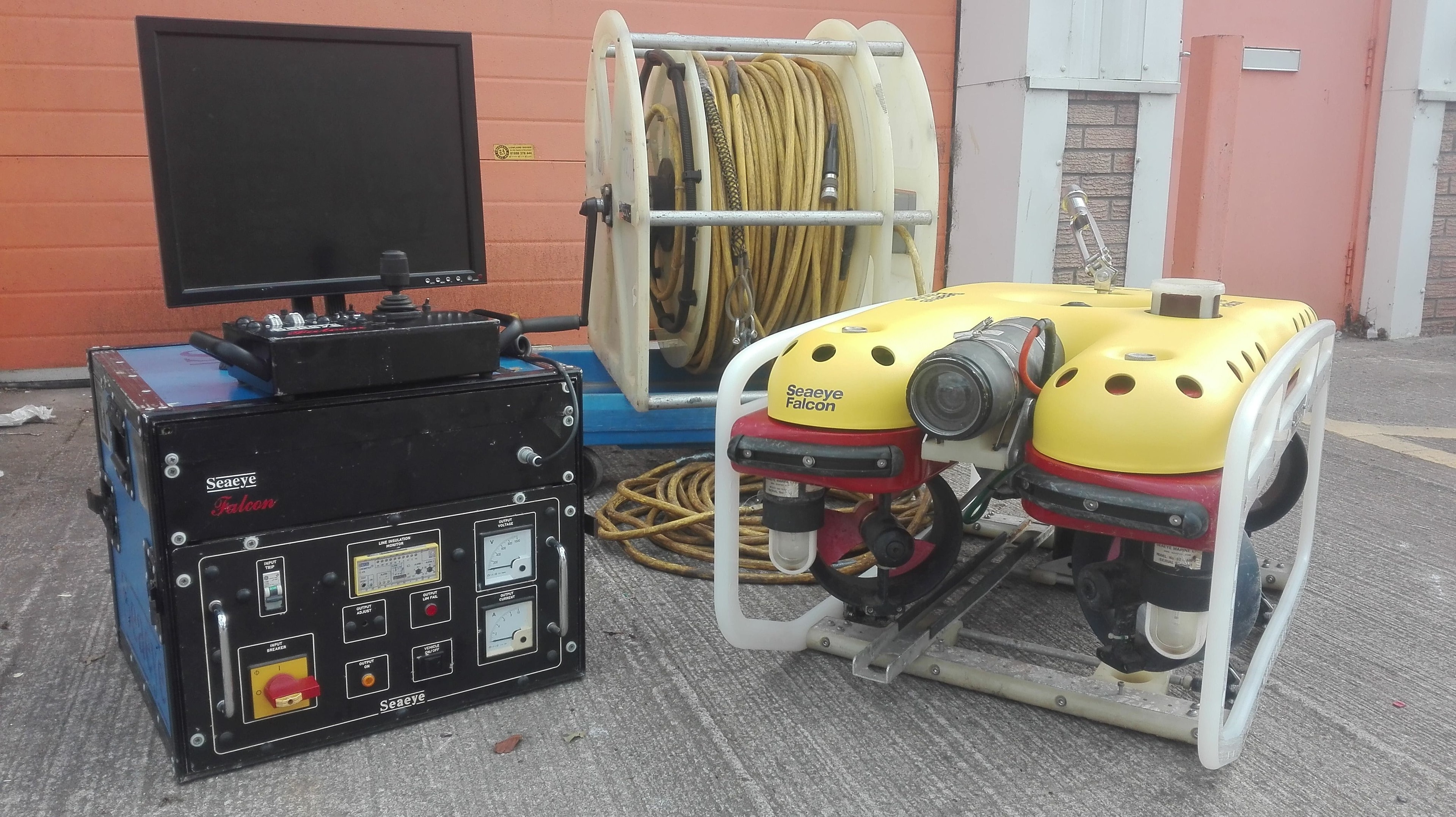
The standard sensor suite for a monopile ROV inspection includes: HD video and stills cameras for visual inspection and defect documentation; CP probes for cathodic protection potential measurement at defined depth intervals; ultrasonic thickness (UT) gauges for section loss measurement in areas of coating breakdown; and multibeam sonar for scour protection mapping and seabed level monitoring. For structures with known crack indications, ACFM probes provide in-situ crack sizing without coating removal.
Reporting and Classification Society Requirements
Offshore wind foundations are typically classed by DNV, Bureau Veritas, or Lloyd's Register. Each society publishes inspection requirements for in-service surveys, specifying minimum inspection intervals, acceptable defect thresholds, and reporting formats. ROV inspection reports must include georeferenced video footage, CP potential profiles plotted against depth, UT thickness readings with reference to nominal wall thickness, and a scour protection assessment with comparison to the as-built survey baseline.
Operators who align their inspection programme with classification society requirements from the outset avoid costly retrospective data collection and ensure that inspection findings are accepted by insurers and lenders. Coregent's inspection reports are structured to meet DNV-ST-0126 and DNV-RP-0416 requirements as standard, with outputs formatted for direct submission to the certifying authority.